
WHEN TO USE SUCTION EXCAVATION
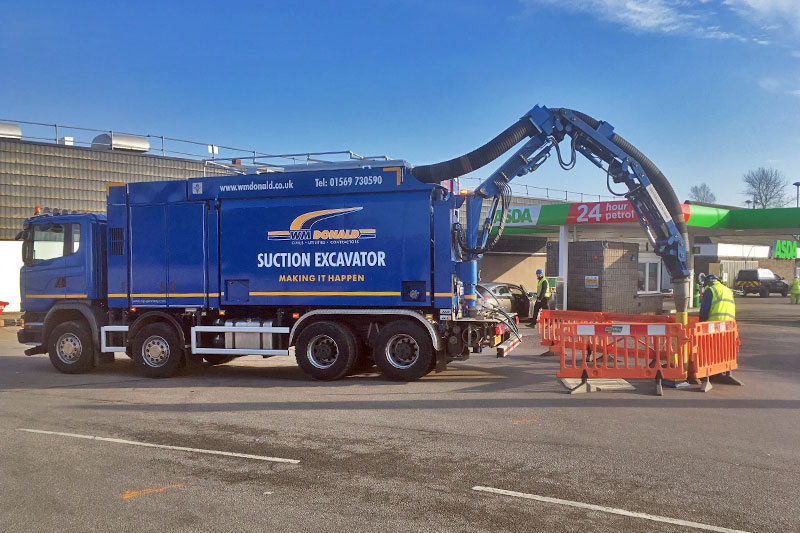
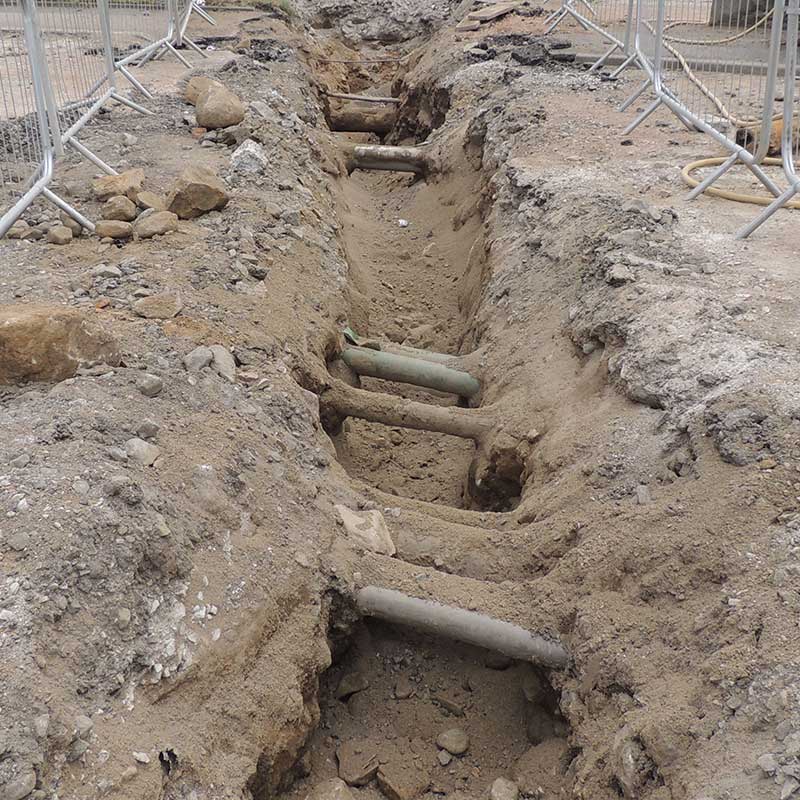

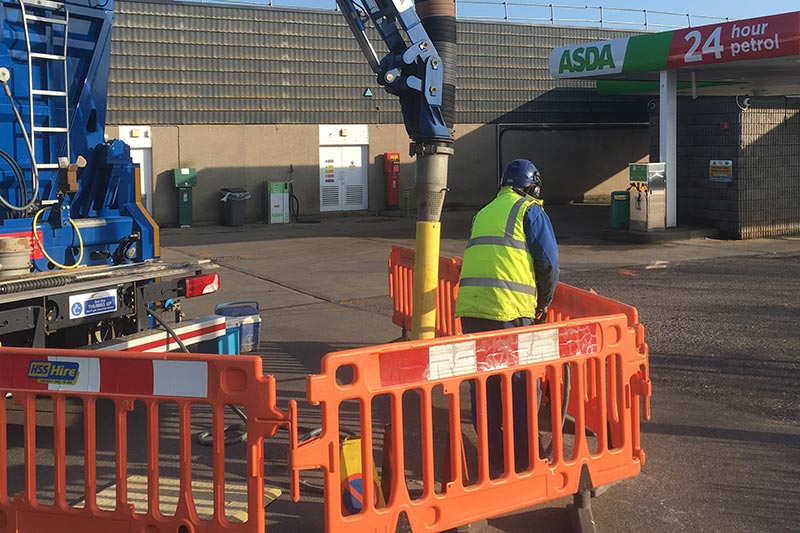
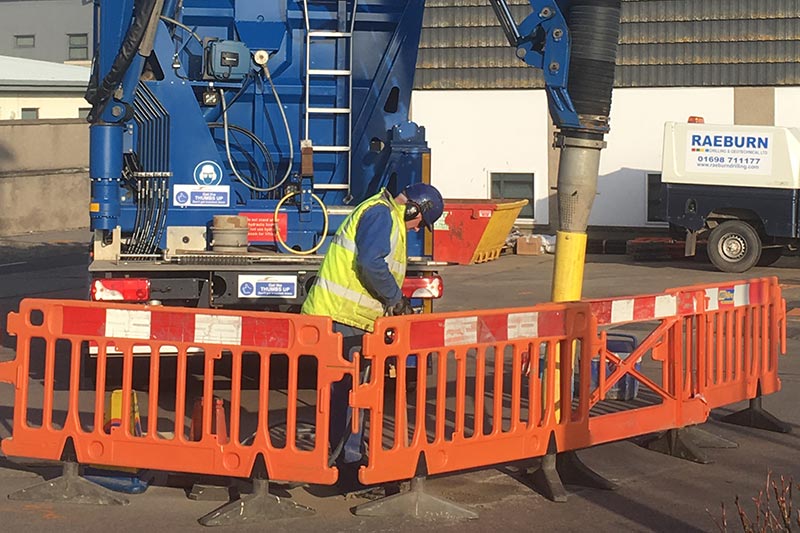
Suction Excavation is incredibly flexible!
The range of uses is as wide and varied as the imagination and ingenuity of the engineers that specify it on their projects.
In simple terms, if you need to remove soil, spoil, aggregate or viscous materials (e.g. mud, slurry etc) then suction excavation may be the most viable option.
To see examples of suction excavation in action on a variety of projects view the video from 3 minutes 50 seconds to 5 minutes 20 seconds.
Listed below are just a few of the applications for which suction excavation is regularly used.
Click on the + for additional information.
GALLERY
VIDEO
Applications
Think suction excavation would work on your project? Not sure? Call our engineers on 01569 730 590 and they will be happy to provide you with advice and guidance.
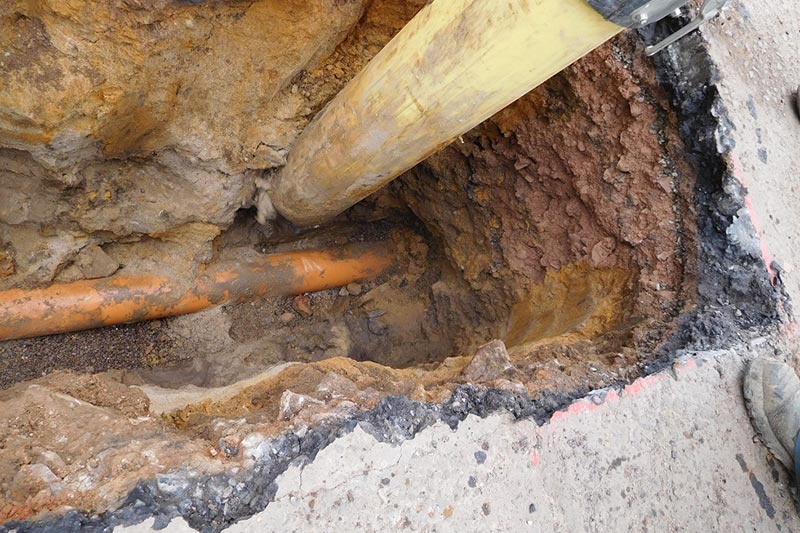
Often working in the highway, and excavating close to existing utilities, the ability to expose HV and LV cables, gas pipes and water mains is one of the principal benefits of using suction excavation.
Over recent years there has been a significant move towards the use of SuDS (Sustainable Urban Drainage Systems) for managing rainfall on development sites. Suction excavation is ideal for clearing blocked or ineffective SuDS features such as gulleys, swales, filter drains and retention ponds.
The ability of suction excavators to remove material both vertically and horizontally makes them ideal for projects where site access is compromised in some way.
WMD suction excavators are equipped with a pump which enables them to remove viscous substances such as mud and slurry. Suction excavation can be quicker to site than alternatives.
An awkward job with traditional approaches at the best of times. Suction excavation is ideally suited to remove ballast quickly and effectively.
Suction excavation is ideal for work on and around substations where the potential for a cable strike using traditional techniques is high.